Article: Fashion Trends & Sustainability: The Future of the Fashion Industry
Fashion Trends & Sustainability: The Future of the Fashion Industry
The fashion industry is changing. Whereas price and design used to be the main focus, sustainability and responsible consumption now play an increasingly important role. Consumers are more and more interested in how and where their clothes are made. This is giving rise to new fashion trends in which material and origin count alongside aesthetics. In this article we look at the most important trends around sustainable fashion – and at the Essentials collection from ORGANICATION.
The rise of sustainable fashion
Interest in sustainable fashion is growing. One reason is that consumers are engaging more closely with the environmental and social impact of fashion production. Fast fashion has dominated the industry in recent decades, but more and more people see the drawbacks of this model – such as high resource consumption, large amounts of textile waste and problematic working conditions.
The idea of sustainable fashion counters this with more conscious decisions about materials, production and consumption.
Trends in sustainable fashion
Some of the most notable trends around sustainability are:
Slow fashion: unlike fast fashion, slow fashion focuses on high-quality, durable clothing. It is about conscious consumption – buying less but better and choosing garments that can be worn across the seasons.
Second-hand and vintage: pre-owned clothing is more popular than ever. Second-hand shops, online marketplaces and vintage boutiques are in great demand and extend the life of clothing.
Upcycling: old garments are transformed into new designs – creating one-off pieces that nobody else owns.
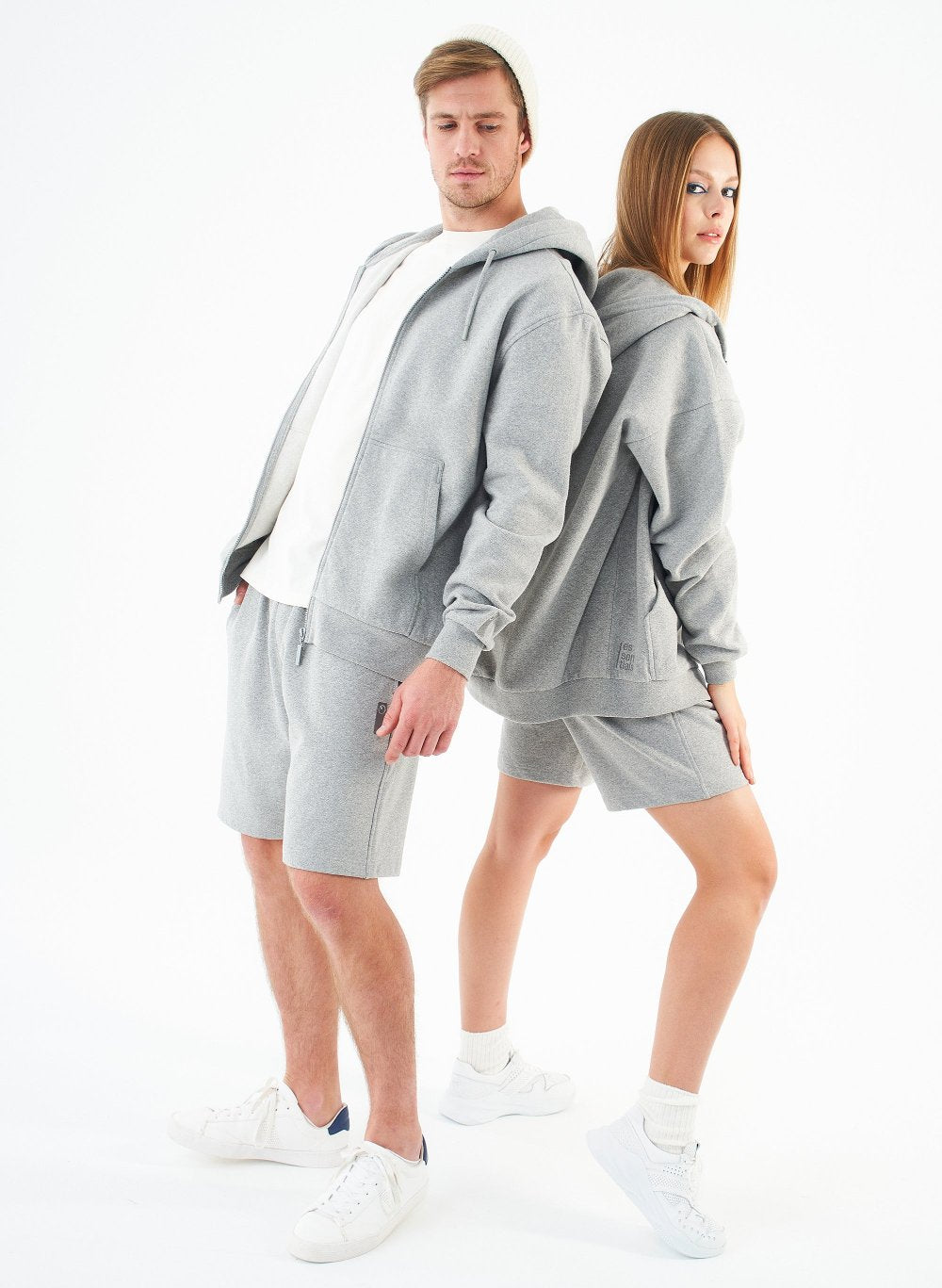
Minimalism: less is more. Minimalist fashion focuses on simple, timeless designs that are easy to combine and can be worn regardless of the season. The Essentials collection from ORGANICATION embraces exactly this idea.
Materials in fashion
The choice of material plays a central role. Here are some of the most important materials and what defines them:
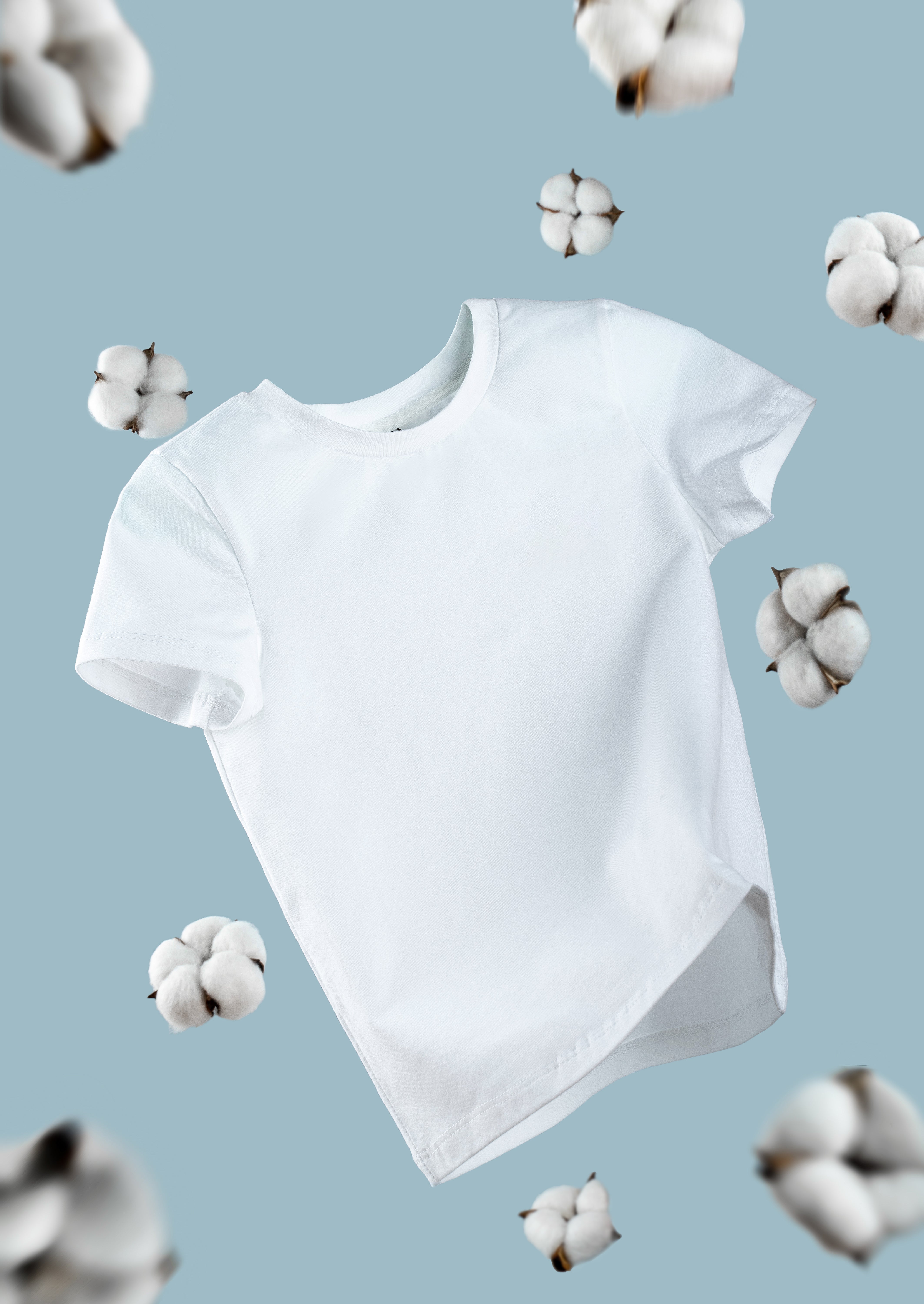
Organic cotton: organic cotton is grown without synthetic pesticides, without synthetic fertilisers and without genetically modified seeds. It feels soft and comfortable on the skin.
TENCEL™ Lyocell: a branded fibre from Lenzing AG made from wood. According to the manufacturer, more than 99 % of the solvent used is recovered in a closed loop. The fibre is smooth, breathable and comfortable to wear. Some pieces in the ORGANICATION Essentials collection are made from TENCEL™ Lyocell.
Linen: linen is obtained from the flax plant; it is robust and, with good care, very durable.
Recycled materials: more and more brands are using recycled fibres. PET bottles or used textiles are processed into new textiles, replacing part of the virgin raw materials.
The fashion industry’s role in climate change
Producing clothing uses large amounts of water and energy and causes greenhouse gas emissions. In addition, chemicals used in fabric processing can pollute soil and water if handled improperly.
That is why it is worth looking for concrete information on materials and manufacturing. At ORGANICATION we use certified materials – depending on the item, certified to GOTS, OCS, GRS, RCS or RWS. The details are on each product page.
Fair trade and ethical production
Alongside environmental aspects, working conditions are becoming increasingly important. Consumers want to know the conditions under which their clothing was made. Labels such as Fairtrade or standards with social criteria such as GOTS provide guidance – what matters is that the specific label is clearly stated.
ORGANICATION clothing is made in Izmir, Turkey. You can find out which certifications apply to our items on our Certificates page.
Sustainable fashion and technology
Technology is playing an ever greater role in the fashion industry. From new materials to new production methods – here are a few examples:
3D printing: it makes it possible to produce garments on demand, so that only what is actually needed gets made.
Blockchain: blockchain technology can be used to document and trace a garment’s production journey.
Smart textiles: intelligent textiles are fitted with sensors that record data such as body temperature or movement. In future, they could also indicate when a garment needs washing or care.
The ORGANICATION Essentials collection
The ORGANICATION Essentials collection focuses on minimalist, timeless designs made from materials such as organic cotton and TENCEL™ Lyocell. The pieces are easy to combine and can be worn for many occasions.
The collection shows that conscious fashion need be neither boring nor expensive – with stylish basics that can be worn for a long time.
Conclusion
Sustainability in the fashion industry is more than a passing trend. Consumers are becoming more conscious and want to know what their clothes are made of and how they are produced. At ORGANICATION we focus on certified materials, transparent information and timeless designs that can be worn for a long time.
Discover the collections at organication.de.