Article: Organic Cotton: Benefits and Uses
Organic Cotton: Benefits and Uses
Organic cotton
Organic cotton is a conscious choice for textiles: it is grown without synthetic pesticides or chemical fertilisers and feels soft and comfortable against the skin.
In this article we take a closer look at the properties and uses of organic cotton. We explain what organic cotton is, how it is grown, how its cultivation differs from conventional cotton and where organic cotton products are used.
What is organic cotton?
Organic cotton is grown without synthetic fertilisers or pesticides. Cultivation follows the rules of organic agriculture and is checked by independent bodies.
Growing organic cotton
Growing organic cotton starts with the choice of seed: genetically modified seed is not permitted, and traditional varieties adapted to the region are often used. No synthetic fertilisers or pesticides are used during cultivation. Instead, farmers rely on natural methods to control pests and diseases.
These include:
Crop rotation: alternating different crops on the same field prevents the soil from being depleted of the same nutrients.
Natural fertilisers: organic fertilisers such as compost or manure supply the soil with nutrients.
Biological pest control: beneficial insects such as ladybirds are used to keep pests in check.
What sets organic farming apart
Growing organic cotton differs from conventional farming in a few key ways:
No synthetic pesticides or fertilisers
Organic farming uses no synthetic crop protection products and no chemical fertilisers. Instead, the natural methods described above are used.
No genetically modified seed
Genetically modified cotton varieties are not permitted in organic farming. This sets organic cotton apart from a large share of the conventional cotton grown worldwide.
Soil care with natural methods
Crop rotation, compost and organic fertilisers are central to organic farming. They are used to look after the soil structure and soil life.
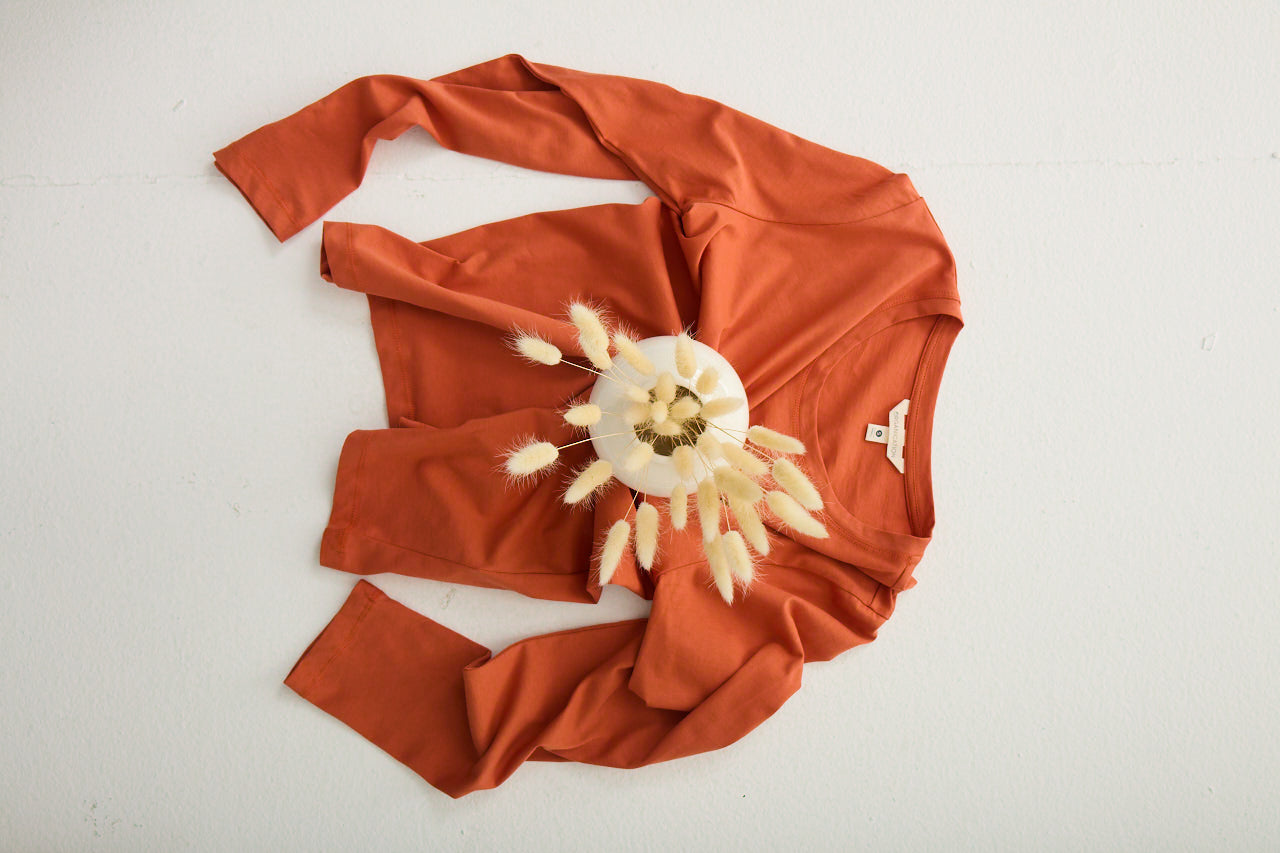
Uses of organic cotton
Organic cotton is used in a wide range of products. Here are some of the most common:
Clothing
The best-known use of organic cotton is clothing. T-shirts, jeans, underwear and babywear are just a few examples of garments made from organic cotton. It is soft, breathable and comfortable to wear.
Home textiles
Organic cotton is also used in home textiles. Bed linen, towels and curtains made from organic cotton are soft and pleasant to use every day.
Accessories
From bags and scarves to hats – many fashion accessories are made from organic cotton. Here, too, look out for labels such as GOTS or OCS, which confirm the organic content.
Benefits of organic cotton products
Choosing products made from organic cotton has several advantages:
A comfortable feel
Organic cotton is soft, breathable and comfortable on the skin – ideal for clothes you wear every day.
Verifiable origin
Certifications such as GOTS (Global Organic Textile Standard) or OCS (Organic Content Standard) confirm a product's organic content and track it along the supply chain. At ORGANICATION, depending on the product, items are certified to GOTS, OCS, GRS, RCS or RWS – the details are shown on each product page.
A long life
Well-made cotton clothing is hard-wearing. With the right care, garments and textiles last a long time and need replacing less often.
Organic cotton at ORGANICATION
Organic cotton is a versatile material for clothing and home textiles – grown without synthetic pesticides or chemical fertilisers, soft on the skin and backed by verifiable labels. Find out more about the material on our Organic cotton page and our Certificates page.