








Article: Organic Fabrics: A Fashion Revolution with Natural Materials
Organic Fabrics: A Fashion Revolution with Natural Materials
Organic textiles: more than just a trend
More and more people are paying attention to origin and material when buying clothes. As a result, organic textiles such as organic cotton, linen and hemp are more in demand in the fashion industry than ever. They offer a high-quality alternative to synthetic materials, which are often made from non-renewable raw materials such as crude oil. But what exactly makes organic fabrics special, and what should you look out for when buying?
What are organic textiles?
Organic textiles are made from natural, renewable raw materials such as cotton, linen or wool. The key difference from conventional fabrics lies in how the fibres are grown and processed. Organic cotton is grown without synthetic fertilisers or pesticides. Standards such as GOTS also regulate which chemicals may be used in further processing.
Organic cotton: a classic among natural fibres
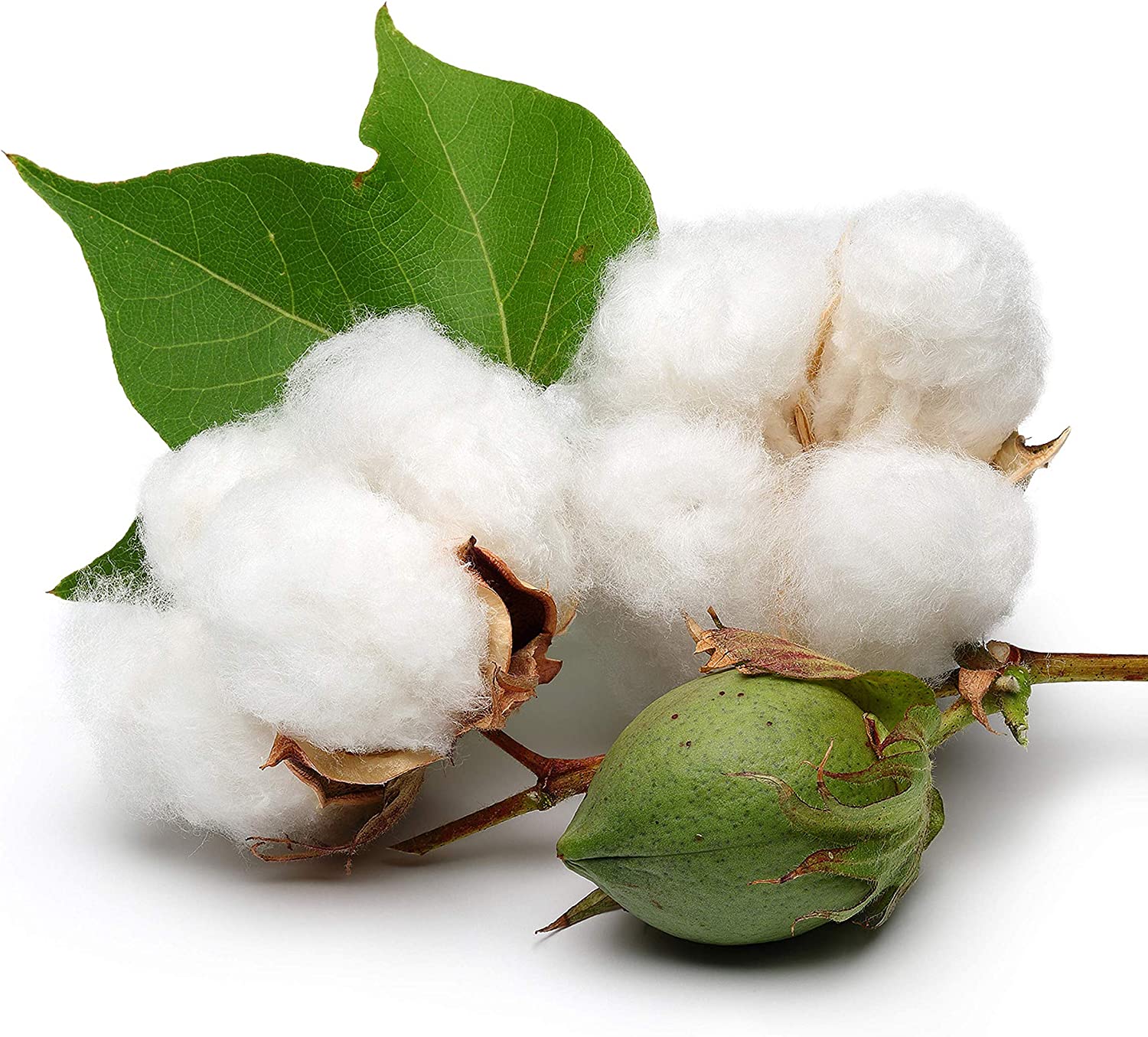
Organic cotton is one of the best-known organic materials. It is grown without genetic modification, synthetic pesticides or artificial fertilisers; instead, methods such as crop rotation are used, which are intended to maintain soil fertility. Organic cotton clothing is soft, comfortable on the skin and long-lasting with proper care. Find out more on our Organic Cotton page.
Conscious fashion: more than just a trend
More and more consumers are paying attention to where their clothes come from and how they were produced. Organic fabrics are an important part of this development. Alongside materials, many brands also value good working conditions and traceable production processes – independent certifications help to verify such claims.
Benefits of organic fabrics
Mindful cultivation
Certified organic farming does not use synthetic pesticides or artificial fertilisers. Synthetic fabrics such as conventional polyester, by contrast, are based on crude oil.
Comfort
Natural fibres such as organic cotton are soft and breathable and feel pleasant on the skin – ideal for everyday wear.
Durability and quality
Many natural fibres such as linen and hemp are extremely hard-wearing. Garments made from these materials keep their shape and quality for a long time and need replacing less often – which also saves money in the long run.
The path to a well-considered wardrobe
Switching to a more conscious wardrobe starts with thoughtful buying decisions. Instead of relying on fast fashion, it pays to invest in long-lasting, high-quality clothing. The right care – such as washing at low temperatures and using detergent sparingly – also helps your clothes last longer.
Fair trade and certifications: how to recognise certified fashion
When buying fashion, labels such as the Global Organic Textile Standard (GOTS) or the Fairtrade mark help you find your way. GOTS covers environmental criteria for the entire textile chain as well as minimum social requirements; the Fairtrade mark relates mainly to fair conditions in growing the raw materials. You can tell which label a product carries from its care label or product information. At ORGANICATION, our items are certified to GOTS, OCS, GRS, RCS or RWS depending on the product – the details are shown on each product page. Find out more on our Certificates page.
Innovations in textile design
The fashion industry is constantly evolving. Alongside organic textiles, recycled materials and new cellulose fibres are becoming increasingly important. Recycling textile waste is also becoming ever more significant.
Organic fabrics as a conscious choice
Organic fabrics such as organic cotton, linen and wool impress with their comfort, quality and traceable cultivation. If you pay attention to material and certificates when you buy, you are making an informed decision. For an overview of our fabrics, visit our Materials page.