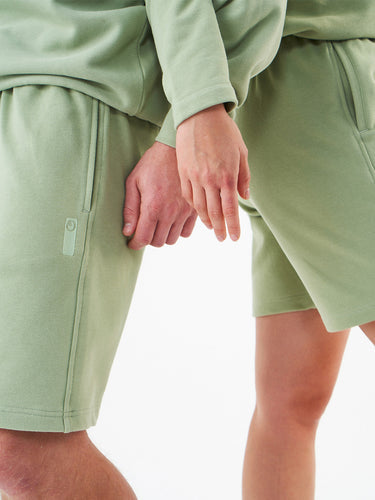
Sustainable clothing
Sustainable clothing: what lies behind it?
Sustainable clothing is a topic that more and more people care about – it is about the choice of materials, working conditions and a more mindful lifestyle. Whether organic clothing, Fair Trade fashion or eco fashion, there are many terms. But what really lies behind them?
What is sustainable clothing?
‘Sustainable clothing’ is not a legally protected term. It generally refers to fashion whose production takes the environment, resources and working conditions into account. Three aspects are central:
Materials: natural fibres such as certified organic cotton, TENCEL™ Lyocell or recycled fabrics are often used. How a material was sourced and processed is best traced through a certification.
Working conditions: many manufacturers have their production audited against social criteria – such as safe workplaces and the exclusion of child labour.
Durability: high-quality workmanship and timeless design mean garments can be worn for years.
Organic clothing: what does it mean?
Organic clothing refers to textiles made from organically grown fibres such as organic cotton, hemp or linen. No synthetic pesticides, no synthetic fertilisers and no genetically modified organisms are used in cultivation.
What characterises organic clothing:
- Comfort: clothing made from natural fibres such as organic cotton feels soft and pleasant on the skin.
- Cultivation: crop rotation and soil care play an important role in organic farming.
- Producers: many organic cotton projects work with smallholder farmers.
Fair Trade clothing: what does it mean?
Fair Trade or Fairtrade is a certification system that works to improve conditions for producers and workers – for example through minimum prices and premiums for cotton farmers. You can tell whether a product is Fairtrade certified by the corresponding label.

What does Fair Trade aim to achieve?
- Pay: producers should be able to earn more stable incomes.
- Transparency: certified supply chains are checked by independent bodies.
- Labour rights: the standards exclude forced and child labour.
Buying Fair Fashion online
More and more online shops offer fashion with Fair Trade or other labels. Look for the specific certification of each item – not every brand that advertises ‘Fair Fashion’ is certified. ORGANICATION items are not Fairtrade certified; depending on the material, they are certified to GOTS, OCS, GRS, RCS or RWS. The details are on each product page.
Eco fashion: an umbrella term
Eco fashion is an umbrella term for fashion whose production is meant to give particular consideration to environmental aspects. As the term is not protected, here too it is worth looking for specific information and labels.
Materials in eco fashion
- Recycled fabrics: old textiles or plastic waste such as PET bottles are processed into new fibres.
- Natural fibres: materials such as linen, wool or silk – ideally of certified origin.
- New materials: developments such as Piñatex (made from pineapple leaves) or Mylo (made from mushroom mycelium) show how varied research is.
Tips: how to make mindful consumption part of your everyday life
- Shop mindfully: buy less but better. Next time you shop, check what your clothing is made of and which certification it carries.
- Look for certifications: labels such as GOTS (Global Organic Textile Standard), Fair Wear Foundation or OEKO-TEX® each have their own focus and are independently verified.
- Second-hand instead of fast fashion: second-hand fashion extends the life of clothing.
Mindful clothes shopping at a glance
| Aspect | What to look out for |
|---|---|
| Material | Certified fibres such as organic cotton, TENCEL™ Lyocell or recycled fabrics |
| Comfort | Soft, breathable materials that feel pleasant on the skin |
| Social | Independently verified social criteria in the supply chain |
| Durability | Timeless designs and high-quality workmanship extend the life of garments |
How the fashion industry is changing
The fashion industry is changing. Consumers are calling for more transparency and verifiable information. Clothing made from certified materials has long since stopped being a niche.
What can you do?
- Look for brands that are transparent about materials and places of production.
- Share your knowledge about sustainable fashion with friends and family.
- Ask brands directly when information is unclear.
Whether organic clothing, Fair Trade fashion or eco fashion, there are many options. What matters is looking closely and wearing clothes for a long time. Find out more about the materials and certifications at ORGANICATION on our materials and certificates pages.