








Article: Natural fibres: a mindful choice in fashion
Natural fibres: a mindful choice in fashion
Why natural fibres are so popular in fashion
An introduction to natural fibres
Natural fibres are a popular choice in the fashion industry. Whether cotton, linen, wool or cellulose fibres such as TENCEL™ Lyocell, these materials have many valued properties. In this article you will find out what makes natural fibres special, which properties they offer and what to look out for when buying.
What are natural fibres?
Natural fibres come from natural sources – either plant-based, such as cotton and linen, or animal-based, such as wool. Unlike synthetic fibres such as polyester, which are made from crude oil, they are based on renewable raw materials. How a garment made from natural fibres performs overall, however, depends heavily on cultivation, processing and use – and this is where certifications provide guidance.
Properties of natural fibres
Natural fibres offer a range of functional properties. Here are the most important ones:
- Renewable raw materials
Natural fibres are obtained from plants or animals and are therefore based on renewable raw materials. Untreated natural fibres such as cotton or linen can biodegrade under suitable conditions – although finishes, dyes and fibre blends affect this.
- Breathability and comfort
A key advantage of natural fibres is their breathability. Cotton and linen absorb moisture and feel pleasant, especially in warm weather. Wool has warming properties that are ideal for colder temperatures, while TENCEL™ Lyocell is particularly soft thanks to its smooth, silky structure.
- Pleasant on the skin
Many people find natural fibres such as cotton, wool and TENCEL™ Lyocell soft and pleasant on the skin. If it matters to you that certain chemicals are not used during processing, look for labels such as GOTS.
- Certified origin
For many natural fibres, the origin can be traced through certifications: organic cotton, for example, is certified to GOTS or OCS, and wool to the Responsible Wool Standard (RWS). These standards are independently verified.
The different types of natural fibres and their properties
There are many types of natural fibres, each with its own properties. Below we introduce the best known.
- Cotton
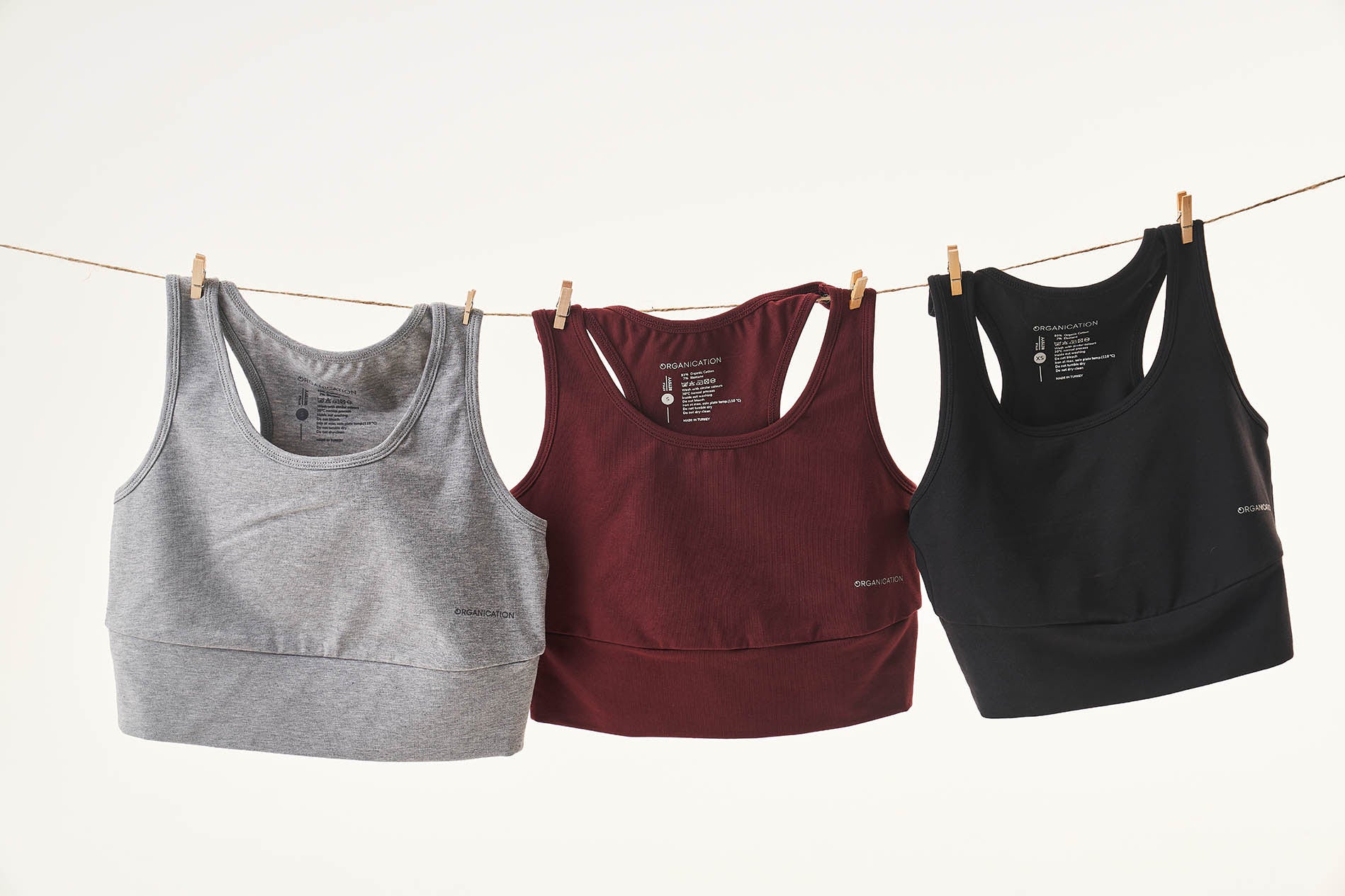
Cotton is one of the best-known natural fibres and is produced in large quantities worldwide. It is soft, breathable and hard-wearing, making it ideal for everyday clothing. Organic cotton is grown without synthetic pesticides and without synthetic fertilisers. Find out more on our organic cotton page.
- Linen
Linen is made from the flax plant and is known for its durability. It is breathable and feels cool, which makes it a popular fabric especially in summer. Find out more on our linen page.
- Wool
Wool is an animal fibre known above all for its insulating properties. It keeps you warm in winter and is naturally slightly water-repellent. If animal welfare matters to you, look for RWS-certified wool – find out more on our RWS lambswool page.
- TENCEL™ Lyocell
TENCEL™ Lyocell is a cellulose fibre made from wood. It is particularly soft and silky. According to the manufacturer Lenzing, it is produced in a process in which more than 99 % of the solvent used is recovered. TENCEL™ is used in fashion as well as for bed linen. Find out more on our TENCEL™ page.
Why natural fibres are so popular in fashion
Natural fibres offer comfort and functionality. With growing interest in where materials come from, they are becoming the preferred choice for many people. Their breathability and pleasant feel make them attractive to consumers.
Whether cotton, linen, wool or TENCEL™ Lyocell, each fibre has its own properties. When buying, look for a certification that proves its origin. At ORGANICATION, our items are certified to GOTS, OCS, GRS, RCS or RWS depending on the material – the exact details are on each product page. For an overview, visit our materials page.
